Architecture has changed a lot in the past decade. Earlier, architects mainly depended on drawings, sketches, and blueprints to explain their ideas. Today, things are very different. With the help of 3D rendering services, architects can present their designs through realistic images that show exactly how a building will look after construction. These visualizations help clients, engineers, and developers clearly understand the design before the project even begins. In this blog, we’ll look at what 3D rendering is, the types of architectural rendering, the software used, the benefits for construction projects, the cost of rendering services, and where this technology is heading in the future.
What is 3D Rendering?
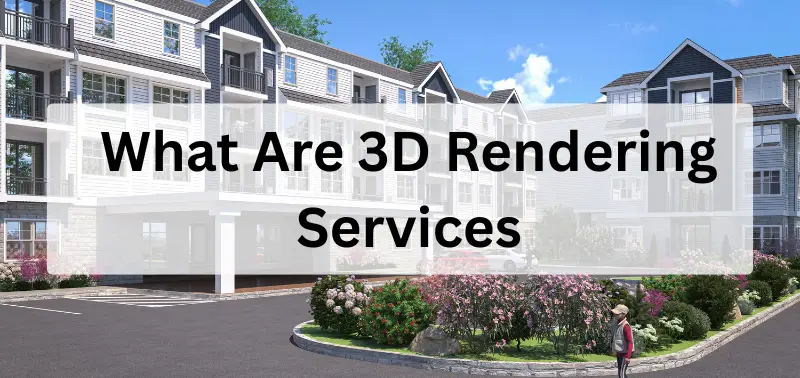
3D rendering is the process of converting architectural drawings or 3D models into realistic images using computer software. These images show details such as lighting, textures, materials, furniture, and surrounding environments.
In simple terms, architectural rendering services help transform technical designs into visuals that anyone can understand. Instead of trying to interpret complex drawings, clients can see a lifelike image of the building. Most architects and construction companies work with a professional rendering company that specializes in creating these visuals. They take the architect’s design files and turn them into high-quality images or animations that represent the final project.
Types of Architectural Rendering
Different projects require different types of visualization. Here are some common types used in the architecture and construction industry.
Exterior Rendering
Exterior rendering focuses on the outside view of a building. It shows the structure, materials, landscape, lighting, and surrounding environment. This type of visualization is commonly used for residential projects, commercial buildings, and large developments.
Interior Rendering
Interior rendering shows how the inside of a building will look. It includes furniture, lighting, wall finishes, flooring, and decor elements. Interior visualizations help clients understand how the final space will feel.
3D Floor Plan Rendering
A 3D floor plan provides a top perspective of the layout with rooms, furniture, and spatial arrangement. It makes it easier for clients to understand how spaces are connected.
Architectural Walkthroughs
A walkthrough is an animated video that allows viewers to move through a building virtually. It gives a realistic experience of how the space will look and feel.
Virtual Reality Rendering
Some architectural rendering services now offer virtual reality experiences. Clients can explore the building design using VR headsets and interact with the space in a much more immersive way.
Software Used for 3D Rendering
High-quality architectural visualization created using advanced BIM tools and rendering software. A professional rendering company typically uses a combination of modeling and rendering software to produce detailed images.
Some of the most commonly used tools include:
- Autodesk Revit
- 3ds Max
- SketchUp
- Lumion
- V-Ray
- Blender
- Corona Renderer
These tools allow designers to add lighting, shadows, textures, and realistic materials, which is why modern 3D rendering services can produce images that look almost like real photographs.
Benefits of 3D Rendering for Construction Projects
Clear Project Visualization
One of the biggest advantages of architectural rendering services is that they help everyone involved understand the design clearly. Instead of relying only on technical drawings, clients can see exactly what the final building will look like.
Better Communication with Clients
Realistic visuals make it much easier for architects to explain their ideas. Clients can quickly understand the concept and give feedback before construction begins.
Fewer Design Mistakes
When a design is visualized early using 3D rendering services, architects can identify potential issues or improvements before construction starts. This can save both time and money.
Strong Marketing Tool
Real estate developers often use renderings in brochures, websites, and presentations. High-quality visuals created by a professional rendering company help attract buyers and investors.
Faster Project Approvals
Clear visuals can also help architects explain designs to project stakeholders and approval authorities, which can make the approval process smoother.
Cost of Rendering Services
The price of 3D rendering services depends on several factors such as the level of detail, number of images required, project complexity, and delivery timeline.
Here is a general idea of typical pricing:
- Interior rendering: $200 to $800 per image
- Exterior rendering: $500 to $1500 per image
- 3D animation or walkthrough: $2000 to $10,000 depending on length and quality
Many architecture firms choose to work with a dedicated rendering company because it allows them to get professional-quality visuals without building an in-house rendering team.
Future Trends in Architectural Rendering
The world of architectural visualization continues to evolve as new technologies emerge.
Real-Time Rendering
Real-time rendering tools allow architects to see changes instantly while adjusting the design, which speeds up the visualization process.
AI-Powered Rendering
Artificial intelligence is starting to automate tasks like lighting setup and scene creation, making rendering faster and more efficient.
Virtual and Augmented Reality
VR and AR technologies are becoming more common in architecture presentations. They allow clients to explore buildings in an interactive environment.
Cloud-Based Rendering
Cloud rendering platforms allow large scenes to be processed faster and make it easier for teams to collaborate from different locations.
BIM and Rendering Integration
Many modern architectural rendering services now integrate directly with BIM workflows, allowing architects to create highly accurate visualizations directly from project models.
Conclusion
3D visualization has become an essential part of modern architecture. With the help of 3D rendering services, architects can turn their designs into realistic images that help clients understand the project before construction even begins. From interior visuals to animated walkthroughs, working with an experienced rendering company allows architects and developers to present their ideas more clearly, avoid design mistakes, and improve project communication. As technology continues to evolve, architectural rendering services will play an even bigger role in shaping how buildings are designed, presented, and marketed in the future.