What BIM services do you offer in Toronto?
We provide end-to-end BIM services in Toronto for architects, engineers, general contractors, and developers. This typically includes Architectural BIM modeling, Structural BIM modeling, MEPF BIM modeling, BIM coordination and clash detection, 4D/5D BIM support, shop drawings, spool drawings, scan-to-BIM, and as-built BIM documentation. We also support LOD upgrades (LOD 200 to LOD 500), model audits, constructability reviews, and BIM execution planning (BEP) depending on project needs. The goal is simple: reduce rework, improve coordination, and keep site teams working from reliable, consistent information.
Which project types do you handle in Toronto and the GTA?
We support a wide range of Toronto and GTA projects such as condos and high-rises, commercial offices, retail, healthcare, schools, warehouses, mixed-use developments, and industrial facilities. Our BIM workflows also fit renovations and retrofit projects where existing conditions are unclear. If your project involves multiple consultants, tight site logistics, or complex MEP systems (common in Toronto builds), BIM coordination becomes even more valuable for preventing field conflicts and schedule delays.
Do you provide Architectural BIM modeling in Toronto?
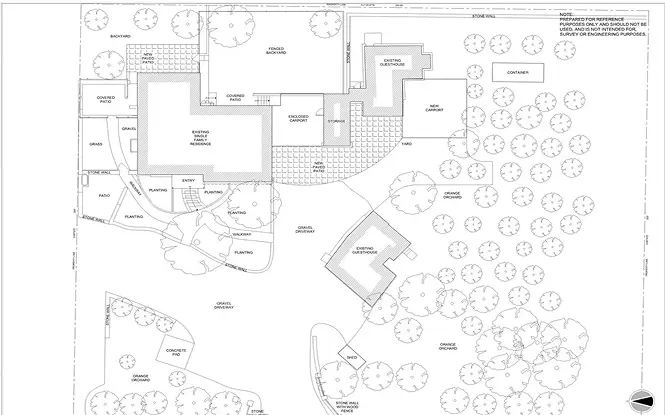
Yes. Our Architectural BIM modeling focuses on creating clean, buildable Revit models that support design development, coordination, and construction documentation. We model walls, floors, ceilings, doors/windows, finishes, rooms/spaces, and key architectural components based on your drawings, markups, or concept packages. We can align the architecture model with structural and MEP requirements early so that the design doesn’t become “pretty but unbuildable” later. If required, we also help standardize families, parameters, naming conventions, and sheet outputs.
Do you offer Structural BIM modeling for Toronto projects?
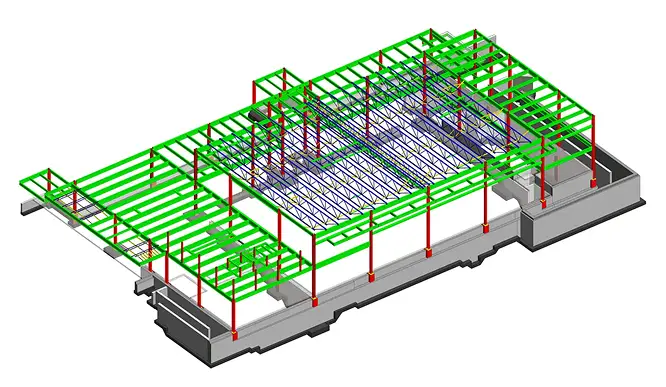
Yes. We build structural BIM models for concrete, steel, and mixed systems based on IFC, drawings, engineering markups, or design criteria shared by your structural team. The model supports coordination with architectural grids/levels and MEP penetrations, which is a common pain point on Toronto projects. Where needed, we can model rebar conceptually or with detail depending on the deliverable level. The main value is fewer RFIs, fewer site clashes, and clearer structural coordination before shop drawings start.
Do you provide MEPF BIM modeling in Toronto?
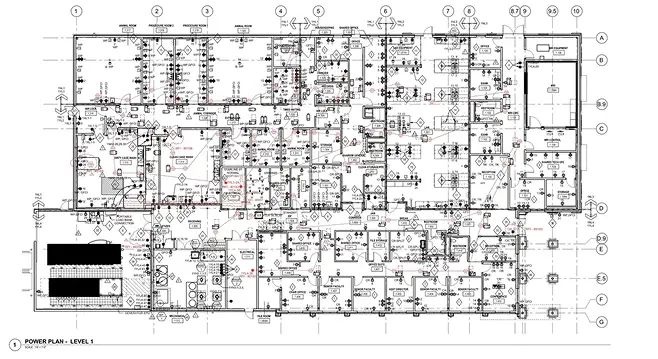
Yes—Mechanical, Electrical, Plumbing, and Fire Protection modeling is one of the most requested scopes. We model ductwork, piping, cable trays, conduits, equipment, plumbing and drainage lines, and sprinkler systems based on design drawings and standards you follow. In Toronto, MEP spaces are often tight, and coordination becomes critical across ceilings, shafts, and plant rooms. Our MEPF BIM models are built to support clash detection, coordinated drawings, fabrication-ready outputs (when required), and practical routing that works on site.
What is BIM coordination and clash detection, and how does it help Toronto construction teams?
BIM coordination is the process of combining architectural, structural, and MEP models to identify design conflicts before they reach the site. Clash detection finds hard clashes (elements occupying the same space), clearance issues (maintenance access, code-required spaces), and workflow conflicts (e.g., duct paths blocking cable trays or access panels). For Toronto projects with fast schedules and multiple trades, this reduces rework, change orders, and site delays. We typically provide clash reports, tracked issue logs, coordination views, and updated coordinated models based on agreed resolution workflows.
What BIM deliverables do you provide for contractors and trades in Toronto?
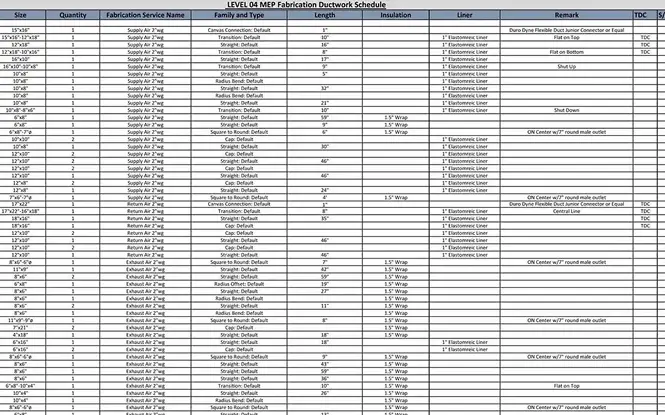
For contractors and trades, we commonly deliver coordinated BIM models, interference/clash reports, coordinated shop drawings, spool drawings, BOM/BOM-style schedules (where applicable), and model-based layout support. Depending on your contract structure, we can also support coordination meetings with structured issue tracking, revision control, and weekly progress reporting. The goal is to give site teams drawings and models that are aligned across trades—so installation is smoother and inspections don’t turn into a firefight.
Do you provide shop drawings and spool drawings in Toronto?
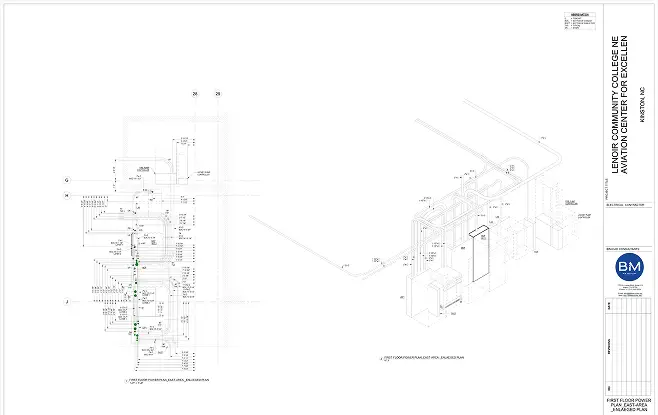
Yes. We produce trade-focused shop drawings and spool drawings that match coordinated routing, elevations, and installation logic. Shop drawings typically support approvals and site installation, while spool drawings focus on fabrication and assembly-level clarity (especially for piping, mechanical rooms, and prefabrication workflows). A good spool package usually includes clear dimensions, spool IDs, hangers/support intent (if specified), connection details, and bill-of-material style information when required. This helps Toronto trades reduce cutting/fit-up time and improve prefab accuracy.
Can you do Scan-to-BIM in Toronto for existing buildings?
Yes. For existing buildings, Scan-to-BIM converts point cloud data (laser scans) into an accurate Revit model. This is highly useful for Toronto renovations, retrofit projects, tenant improvements, and heritage or older buildings where drawings are outdated. We typically define scope first—what must be modeled (architectural shell, structure, MEP visible services, or specific areas only), and at what LOD. The deliverable can be an existing conditions model, coordination model, or base for design updates, depending on your project goals.
What are as-built BIM modeling services, and when do I need them in Toronto?
As-built BIM modeling services document what was actually constructed, not just what was designed. This is useful for owner handover, facility management, future renovations, and reducing risk when teams change. On Toronto projects, as-builts are especially valuable when the building has multiple systems, phased construction, or changes during installation. We can build as-built models from redlines, RFIs, site-verified updates, field photos, and point clouds (when available). The result is a reliable record set that saves time and money later.
What Level of Development (LOD) do you deliver for Toronto BIM projects?
We can deliver models at LOD 200, 300, 350, 400, or 500 depending on the stage and contract requirements. For many Toronto design coordination scopes, LOD 300–350 is common because it provides accurate sizes, locations, and coordination-ready geometry. Fabrication and spooling often require LOD 400-level intent and trade-specific detailing. For record models, LOD 500 may be required, but it should be defined carefully so the scope remains realistic and measurable. We help you choose LOD based on deliverables, not just buzzwords.
Can you work with Revit, Navisworks, AutoCAD, IFC, and ACC/BIM 360 workflows?
Yes. Most projects involve mixed software ecosystems, so we work with Revit for authoring, Navisworks for coordination/clash detection, AutoCAD for legacy inputs, and IFC for interoperability when needed. If your team uses Autodesk Construction Cloud (ACC) or BIM 360 for model sharing and coordination, we can align with your folder structure, issue workflows, and versioning standards. The key is to maintain clean model exchanges and consistent coordination cycles, so teams aren’t arguing over “which file is latest.”
Do you support BIM Execution Plans (BEP) and BIM standards for Toronto teams?
Yes. A good BEP prevents confusion and rework by defining who models what, LOD targets, naming conventions, file exchange frequency, coordination rules, and issue resolution steps. For Toronto and GTA projects with many stakeholders, BEP clarity is often the difference between smooth coordination and weekly chaos. We can create or review BEPs, set up modeling standards, and align parameters/shared coordinates so all disciplines work consistently.
How do you handle revisions, RFIs, and fast-track schedules in Toronto?
We use a controlled workflow for revisions—versioning, change tracking, and clear documentation of what changed and why. For RFIs, we can help identify model-based impacts quickly (e.g., rerouting, clearance checks, updated sheets). For fast-track schedules common in Toronto, we recommend short coordination cycles (weekly or twice-weekly), structured clash priority lists, and strict cut-off dates for major system freezes. This keeps coordination moving without endless churn and prevents late-stage surprises.
What information do you need to start BIM services for a Toronto location page inquiry?
To start quickly, we typically need your latest drawings (PDF/DWG), Revit/IFC files if available, project address or general location (Toronto/GTA), scope expectations (architecture/structure/MEP/trades), and your target deliverables (coordination model, shop drawings, spools, as-builts, etc.). If it’s scan-to-BIM, we need point cloud data and a defined modeling scope. The clearer the deliverables and timelines, the faster we can price accurately and begin production without scope creep.
How do you price BIM services in Toronto—fixed cost or hourly?
We can support both, but most clients prefer a fixed scope with clear deliverables and milestone-based pricing. For well-defined work like LOD-based modeling, coordination cycles, or a set number of shop drawing sheets, fixed pricing is usually best. Hourly or monthly retainer models work well for ongoing coordination support, rapid revisions, or multi-phase projects where scope evolves. Either way, the pricing is driven by model complexity, LOD, disciplines involved, schedule, and the level of coordination and documentation required.