Tallest Buildings in the World

The tallest buildings in the world are not just record-breaking towers. They are complex engineering systems, vertical cities, and construction case studies built into the skyline. For architects, BIM professionals, contractors, civil engineers, and construction managers, these buildings show what happens when design ambition meets advanced engineering and disciplined construction planning. A supertall building is […]
Iconic Construction Projects in the USA and the Role of BIM

The United States has built some of the most complex and ambitious structures in the world. From historic engineering marvels to modern mega-developments, these projects reflect how construction has evolved-from manual drafting to fully digital workflows. Today, Building Information Modeling (BIM) is no longer optional. It’s a core part of how large-scale projects are planned, […]
Is Revit Used for Civil Engineering?
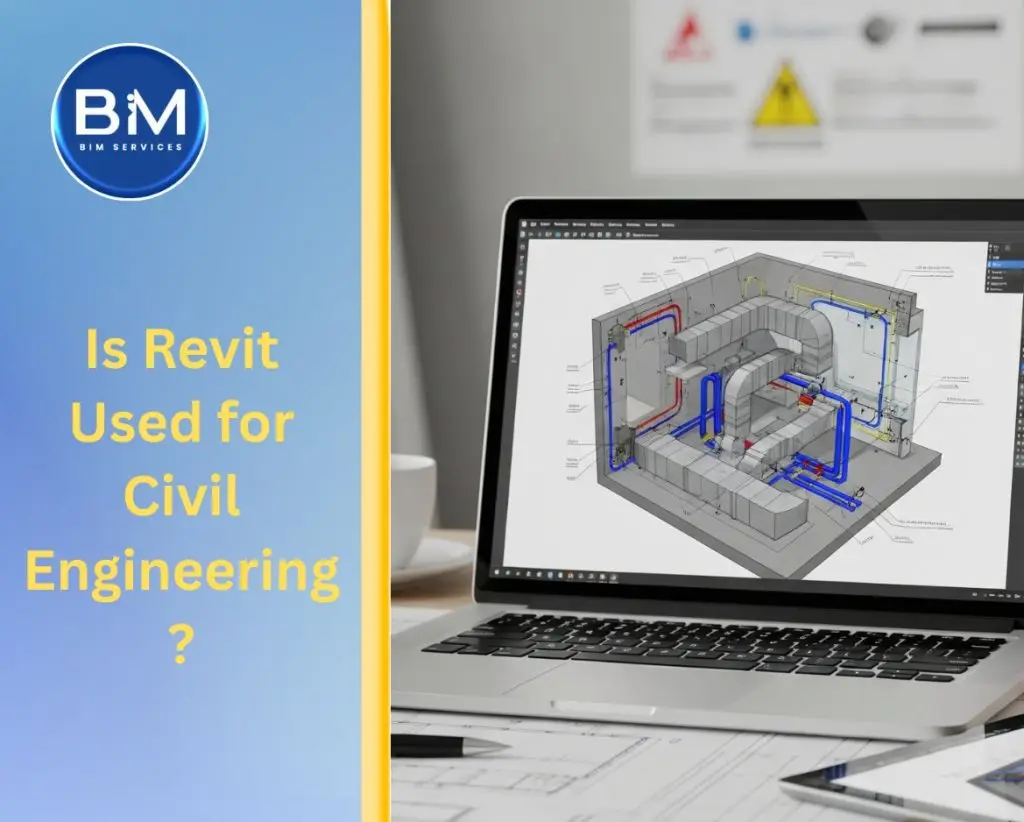
If you are a civil engineer, engineering student, BIM professional, construction manager, or a firm exploring BIM, you’ve probably asked: “Is Revit actually useful for civil engineering, or is it just for architects?” Straight answer: yes, Revit is used in civil engineering – but not for everything you do as a civil engineer. It works […]
Benefits of Using Point Cloud Data for Accurate Construction Models
Point cloud data in construction gives you a single, measured source of geometric truth-captured once with 3D laser scanning and carried through your Scan to BIM pipeline. The payoff is simple: as-built models that reflect reality, fewer site revisits, and accurate construction modeling that prefab and field teams can trust. In this guide, we’ll show […]
Interoperability in BIM: IFC, BCF and Open Standards Explained

If your models can’t talk, your teams won’t either. That’s the heart of BIM interoperability-making sure geometry, properties, and issues move cleanly between authoring tools, coordination platforms, cost/schedule systems, and FM applications. When you nail interoperability with IFC in BIM, the BCF format, and other open BIM standards, collaboration gets simpler, RFIs drop, and handovers […]
Best Practices for Data Management in BIM
When projects get complex, data-not drawings-decides outcomes. If your models, RFIs, submittals, and field photos live in different places, you get rework, delays, and adversarial meetings. If they flow through a well-governed Common Data Environment (CDE), you get traceability, faster decisions, and a handover that facilities teams can actually use. This article condenses best practices […]
BIM for Infrastructure: Bridges, Roads & Tunnels

How civil construction teams use BIM to design smarter, build faster, and hand over with confidence. Civil projects are complex ecosystems-multiple corridors, utilities, disciplines, permits, and a lot of moving parts. Building Information Modeling (BIM) gives you a single source of truth from planning to O&M. In this guide, we’ll break down how BIM for […]
How to Train Your Team for BIM Adoption – Skills, Tools, Mindset

BIM adoption is an operating-model shift. If you treat it like a software install, you’ll burn licenses and time. Treat it like a cross-discipline change program and your bim engineering teams will ship cleaner packages, cut RFIs, and speed approvals. What changes (and why teams resist) From files to a CDE: One governed source of […]
The Differences Between 3D, 4D, 5D and 6D BIM LOD’s
Quick clarity before we dive in: BIM dimensions (3D/4D/5D/6D) describe what kind of information you manage (geometry, time, cost, operations). LOD (Level of Development) describes how reliable/detailed that information is (100–500). They work together, but they’re not the same thing. 3D BIM – Geometry & Location 3D is your coordinated model-the place where architecture, structure, […]
The Role of Bentley Systems in Large-Scale Infrastructure Projects

When you’re delivering highways, metros, bridges, water systems, or airports, tool choice isn’t cosmetic-it determines coordination speed, error rate, and how reliably you hand over an operable asset. Bentley Systems is built for that reality. Its stack covers the full lifecycle-context capture, design authoring, common data environments (CDE), 4D/5D construction, digital twins, and asset performance-without […]