
How BIM Can Support the Construction of the World’s Largest Airport
Dubai is once again setting new records with its mega projects, especially when it comes to construction at Al Maktoum International Airport. On completion, the


Dubai is once again setting new records with its mega projects, especially when it comes to construction at Al Maktoum International Airport. On completion, the
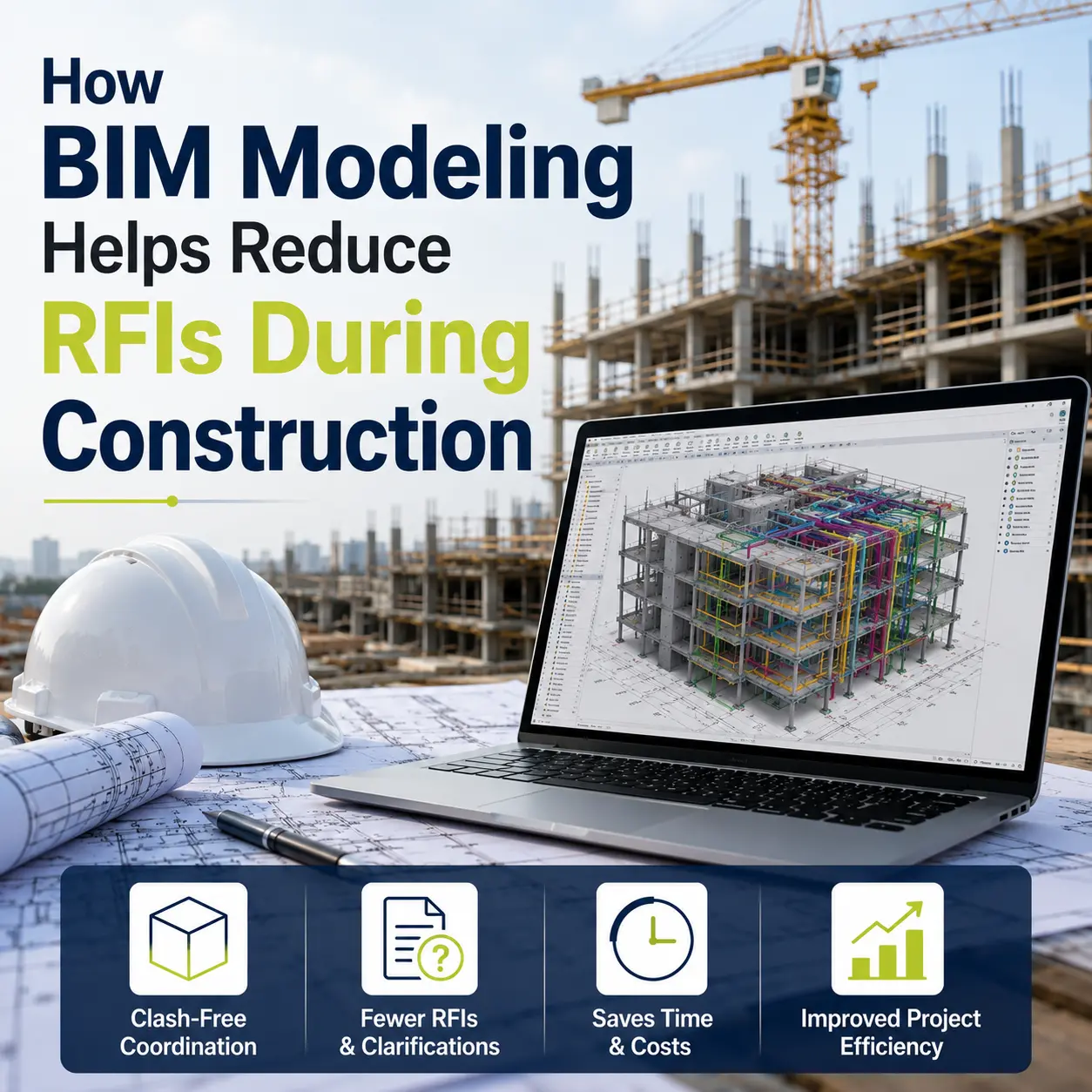
The installation of ductwork in the fourth level is scheduled shortly by the contractor. However, it has not been explicitly mentioned how the ductwork will

Picture this: your team just wrapped up clash coordination in a mechanical room, the model looks clean, and everyone’s feeling good. Then the fabricator asks

An architect has a detailed BIM model of a new commercial building. Walls, floors, doors, windows, and furniture are all in place, along with plenty
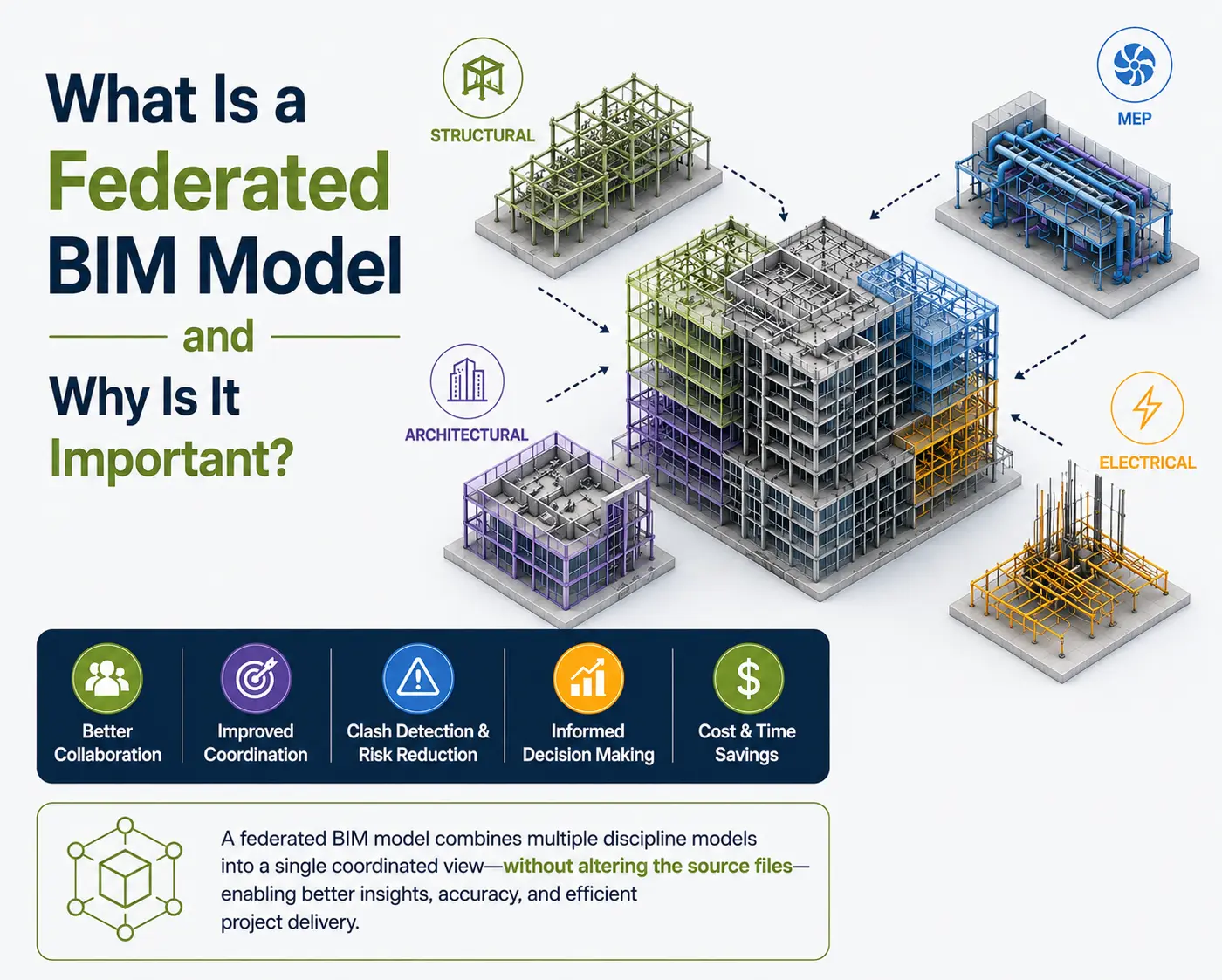
Consider a medium rise commercial building development, whereby the architect is refining the drawings, the structural engineer is drawing the beams and columns, and the
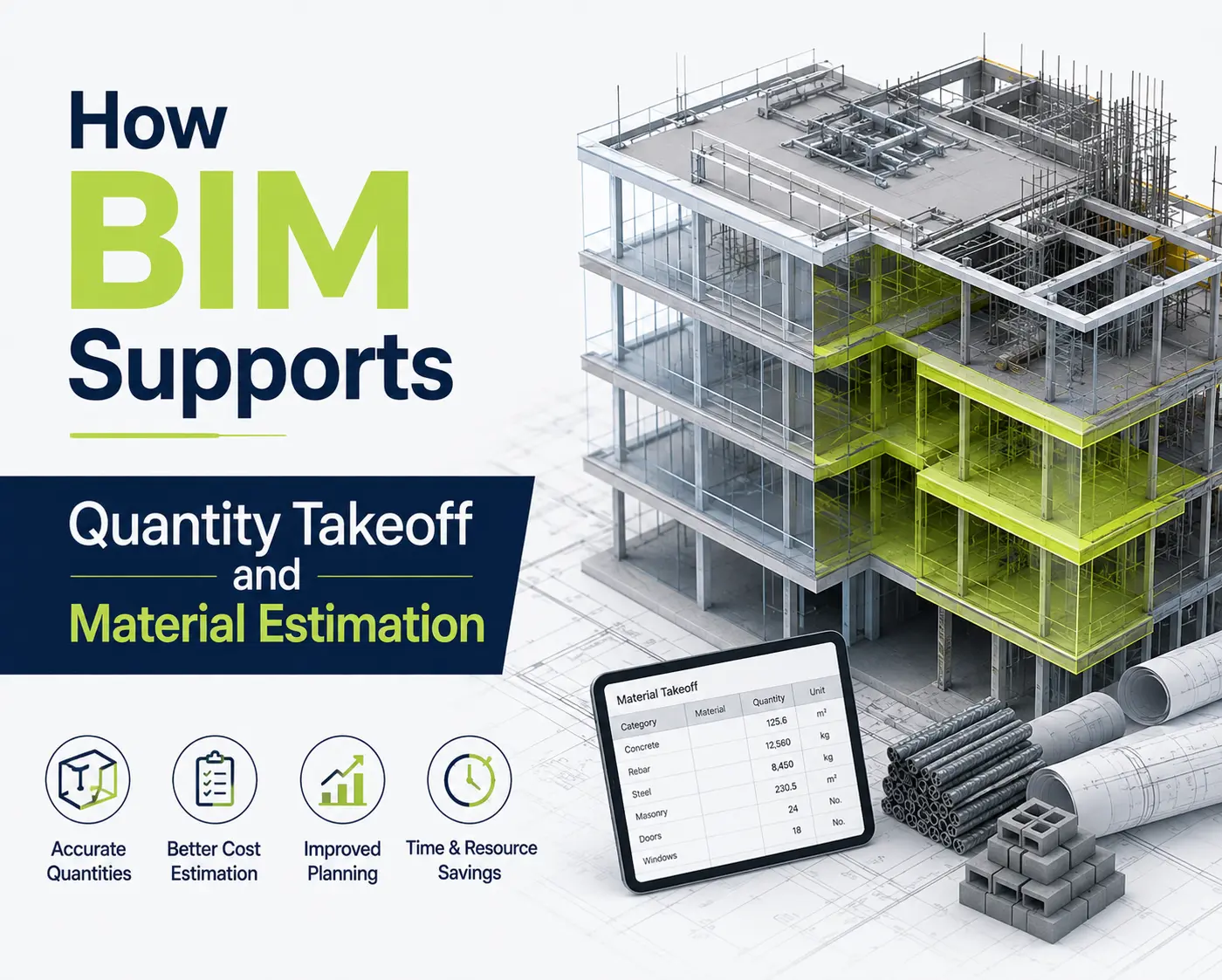
Imagine the contractor having to open up a BIM model that is coordinated and has to ask a straightforward question about how much concrete, steel,
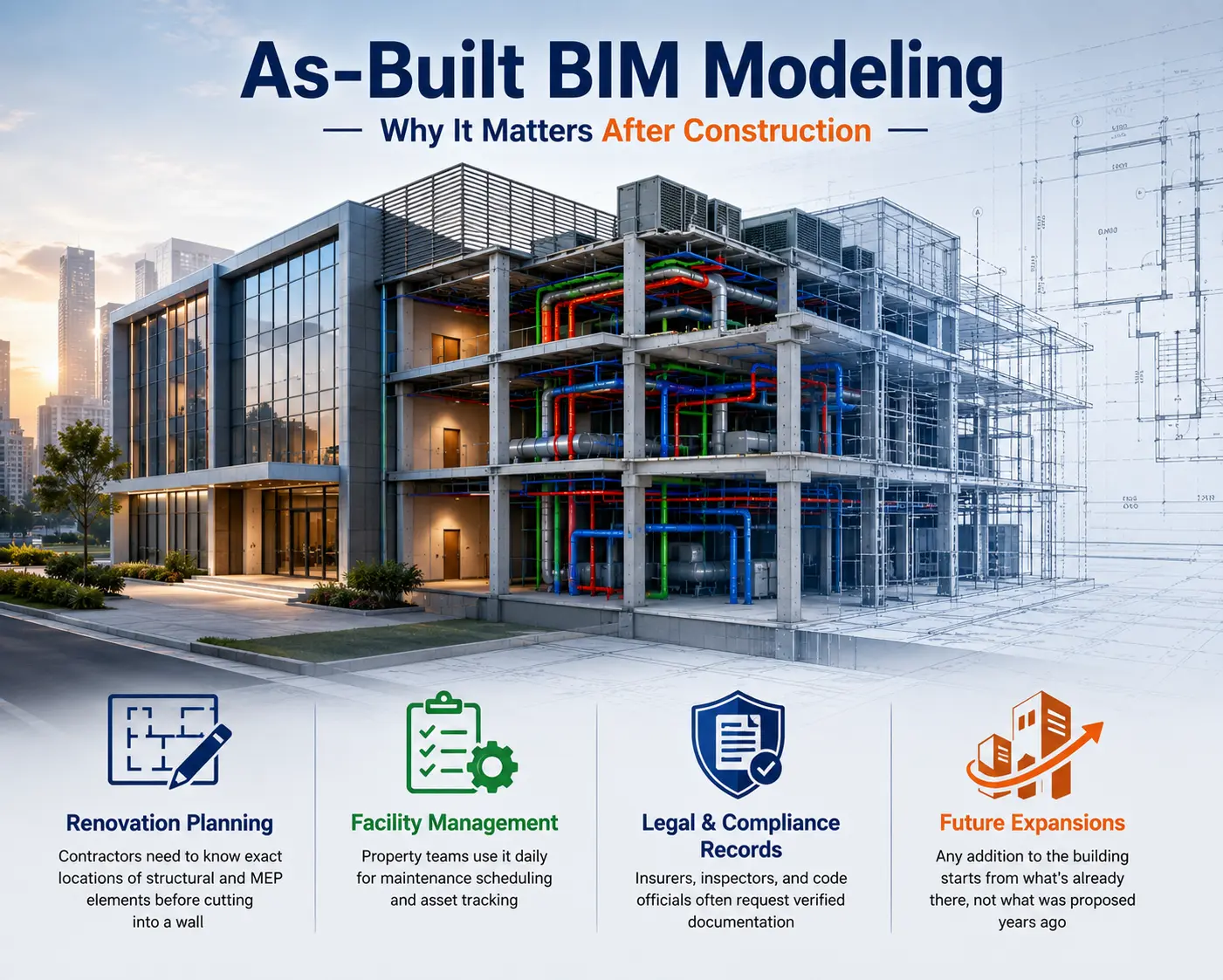
Construction doesn’t end when the last wall is painted. What actually gets built almost never matches the original design 100%. Pipes get rerouted, walls shift
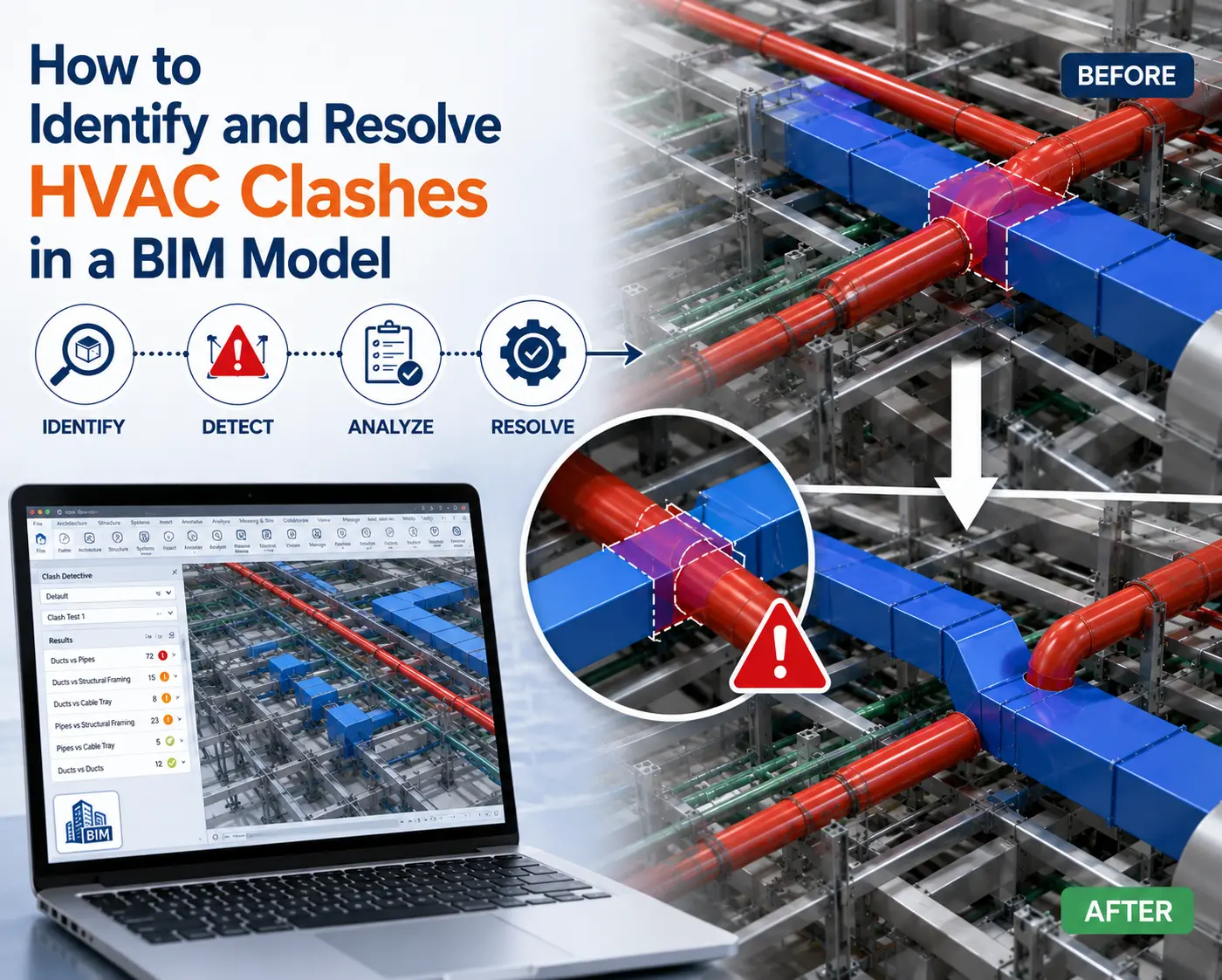
Picture this: the ductwork shows up on site, the crew starts hanging it section by section, and then it hits a structural beam that wasn’t

Pipe Fabrication Accuracy starts long before a pipe reaches the jobsite. A pipefitter cuts a pipe to size from the drawing and then welds it.

An industry perspective on how Building Information Modeling supports the planning and delivery of mega airport projects When The B1M reported on the recent opening

The question as to how a digital model becomes the precise pipe segments that an assembly company then fabricates and welds is really the same

Suppose that the installation team has come prepared to install the ducts, only to find out that there are six inches less from the ceiling